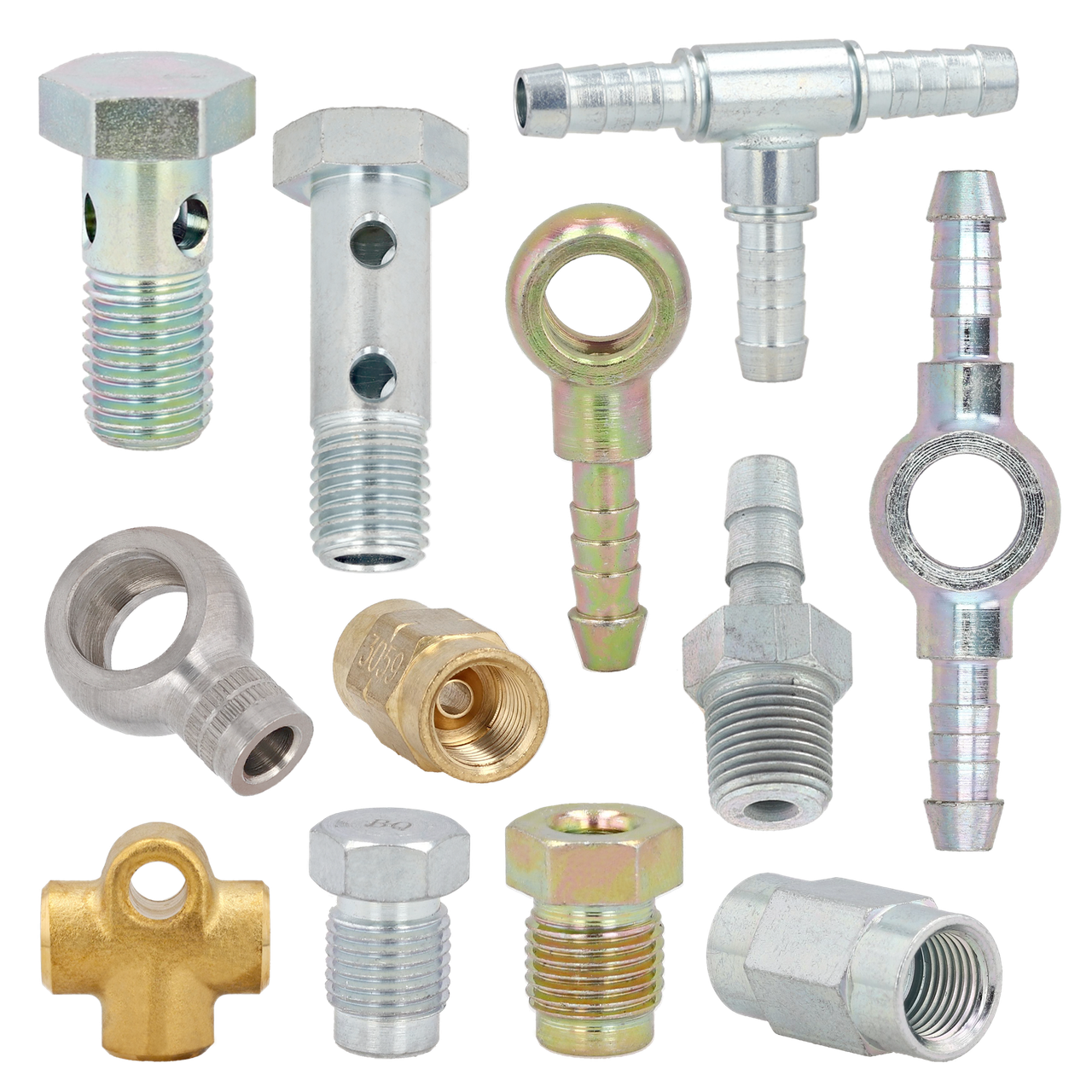
Metric fittings are designed to create stable, leak‑free connections for air and fluid transfer systems. This range includes brake fittings, Cohline banjo components, compression fittings, and threaded plugs. Each piece is engineered for consistent sealing, durability, and long‑term system performance in automotive and industrial applications.


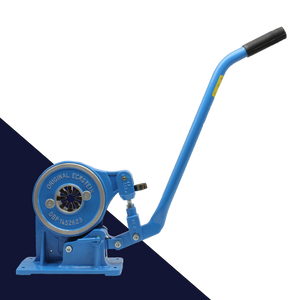


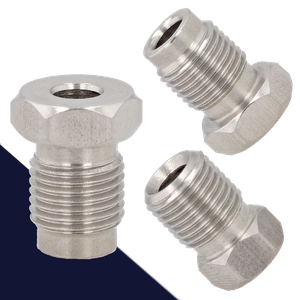
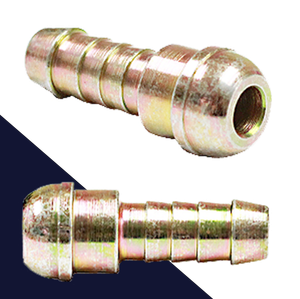


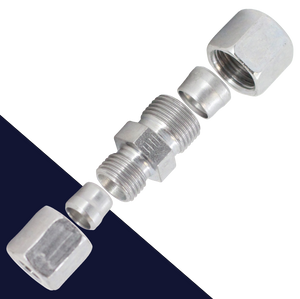

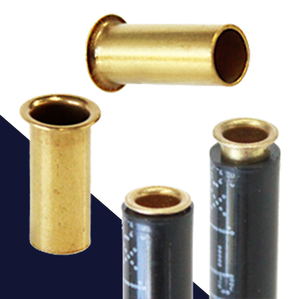

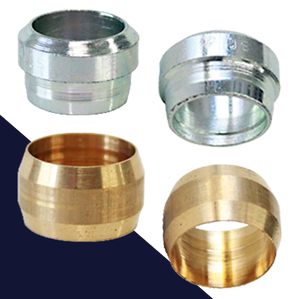

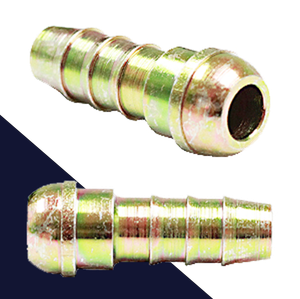


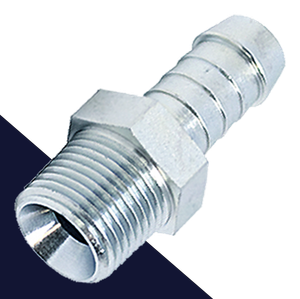
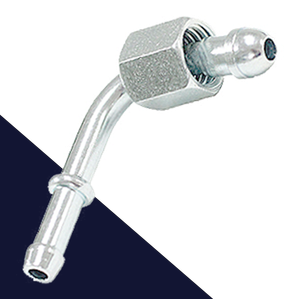

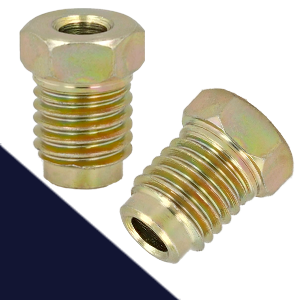
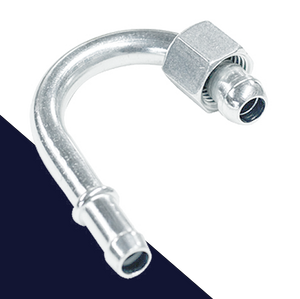


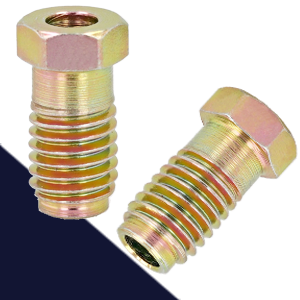
Metric fittings are hose, tube, and line fittings with threads and sizes specified in millimeters, such as M10 x 1.0 or M12 x 1.5. To match one, you need the thread diameter, the thread pitch, and the seat or sealing type, such as a crush washer, flare, or compression ferrule.
BelMetric stocks banjo fittings, cone nipple assemblies, hose adapters, hose connectors, compression sets, and brake lines and fittings, along with fitting components, collars, and tools. These cover fuel, oil, coolant, vacuum, and brake line repairs on metric-equipped vehicles and machinery.
BelMetric sells metric banjo fittings and the parts that go with them, including banjo bolts, double banjo washers and copper and aluminum crush gaskets. Fittings ship from BelMetric's Tyngsboro, Massachusetts warehouse, and U.S. orders over $99 ship free.
Yes. BelMetric's fittings category includes brake lines and brake fittings for metric-equipped vehicles, alongside brake fluid hose in the hose category. BelMetric's team can help confirm thread size and flare type before you order.
A banjo fitting is a round, hollow fitting held in place by a hollow banjo bolt. Fluid flows through holes in the bolt and turns 90 degrees into the hose or line, which saves space in tight areas. Each side is sealed with a crush washer, common on brake calipers, fuel systems, and oil lines.
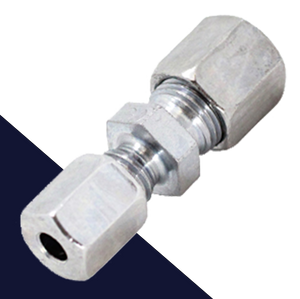
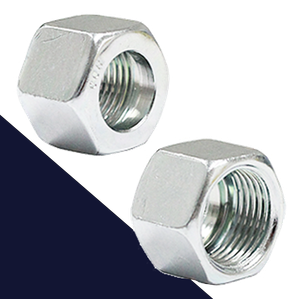
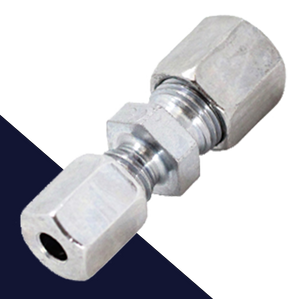
A compression fitting seals a tube by squeezing a ferrule, sometimes called an olive, between the fitting body and a nut. As the nut tightens, the ferrule deforms around the tube and creates a seal without flaring, threading, or soldering. They're used on fuel, oil, and instrument lines.
They use different seats. Many European and Asian vehicles use a bubble (ISO/DIN) flare, while many U.S. vehicles use an inverted double flare. Even when the thread matches, such as M10 x 1.0, the flare types are not interchangeable, and mixing them can cause brake fluid leaks.
Measure the outside diameter of the male thread with calipers, then check the pitch with a metric thread gauge. Common metric pitches for fittings are 1.0, 1.25, and 1.5 mm. If the pitch doesn't match a metric gauge, the fitting may use an inch-based thread such as NPT or BSP instead.
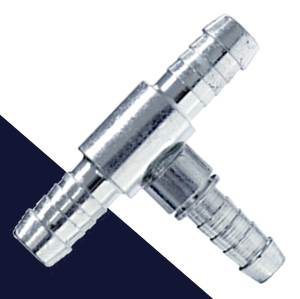
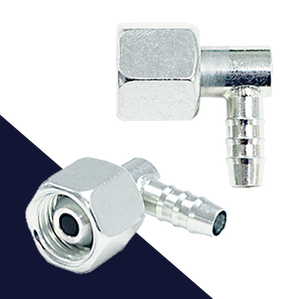
A hose connector joins two hoses, or a hose to another component, using barbed ends that grip inside the hose. Common shapes include straight, elbow, tee, and reducer connectors. Each hose end is secured with a hose clamp to keep the joint from leaking or slipping off.
